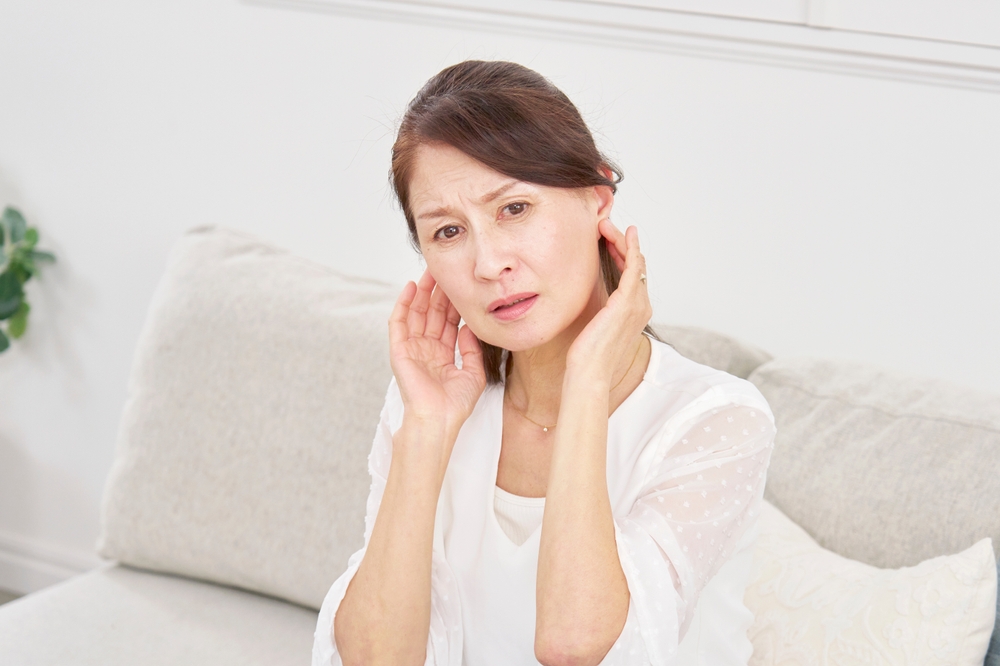
Discovering an abrupt inability to hear after sleep is a deeply alarming scenario. This specific hearing impairment is strikingly sudden, often manifesting without any physical discomfort or advanced signals. Though certain triggers are short-term and simple to resolve, others necessitate urgent clinical intervention.
Grasping the standard reasons behind rapid deafness and identifying the right time for help is critical for your prognosis. Below, we review the traits of sudden hearing impairment along with clinical advice on contacting a specialist.
Defining the Parameters of Sudden Hearing Loss
Sudden hearing loss typically refers to a swift decline in hearing that occurs over a few hours or up to three days. It may affect one ear or, less frequently, both. Individual experiences vary from clouded hearing and tinnitus to a distinct sense of congestion or vocal distortion.
Sudden Sensorineural Hearing Loss (SSHL)
SSHL stands as one of the most critical conditions for an audiologist to examine quickly.
This specific impairment arises from dysfunction within the inner ear, the auditory nerve, or the brain’s processing centers. The source is often idiopathic, though medical professionals identify several probable contributing elements:
- Vascular restrictions affecting auditory nerve function
- Internal inflammation and abnormal immune system activity
- Underlying viral activity affecting the ear
- Central nervous system abnormalities
Since the window for successful treatment is so narrow, SSHL is treated as an urgent crisis where early care dictates the outcome.
Infection-Based Auditory Loss
Viral activity often leads to inflammation in the auditory canal, resulting in major auditory changes.
Frequent viral triggers tied to sudden hearing impairment are:
- Standard upper respiratory infections
- Systemic flu-related inflammation
- Herpes viruses
- Likely auditory complications following COVID-19
Abrupt deafness can coincide with viral symptoms, often appearing with dizziness or a feeling of fullness.
Traumatic Triggers for Hearing Change
Major head trauma, abrupt pressure fluctuations, or noise-based shocks are known to damage the sensitive components of the hearing system.
Physical damage from injury often stems from:
- Traumatic brain injuries or concussions
- Rapid fluctuations in atmospheric pressure
- Sudden blasts of intense noise
- Fluid leaks or shifts inside the labyrinth
Don’t dismiss minor trauma, as rapid hearing changes post-injury often signal underlying damage.
Sudden Loss Due to Ear Canal Obstruction
While not a medical emergency like SSHL, impacted wax is a frequent cause of sudden auditory dullness.
When wax is the main cause, the hearing change may:
- Appear over a rapid duration
- Feel like fullness or pressure
- Impact one ear more than the other
- Resolve immediately upon extraction
Critically, a self-diagnosis at home cannot accurately distinguish between a simple blockage and a nerve-related crisis. That’s why professional evaluation is critical.
Less Common Drivers of Sudden Hearing Impairment
Secondary factors that might trigger an abrupt change in hearing involve:
- Adverse effects from specific pharmaceuticals
- Vascular health issues affecting the ear
- Autoimmune inner ear disorders
- Acoustic neuromas or related rare tumors
Undergoing a full audiological workup is the only way to accurately identify or dismiss these factors.
Sudden Hearing Loss: Why Early Treatment Is Key
The most vital takeaway regarding rapid hearing changes is to avoid a wait and see approach.
Immediate diagnostic testing serves to:
- Identify reversible causes
- Maximize the potential impact of clinical therapies
- Mitigate the risk of lasting auditory deterioration
- Minimize the impact on your future ability to communicate
Audiology testing plays a pivotal role in determining the type and severity of hearing loss and guiding next steps.
When to Seek Immediate Help for Sudden Hearing Loss
It is critical to consult a professional instantly if you notice the following:
- A rapid drop in auditory clarity in one or both sides
- Auditory shifts paired with a distinct sense of dizziness
- Buzzing or pressure that appears suddenly
- Loss of hearing that manifests after a medical event or head impact
Partial recovery of audition does not eliminate the need for a thorough clinical investigation.
Rapid Diagnostics for Auditory Clarity
A professional test provides an immediate answer as to if the impairment is:
- A conductive issue involving the middle ear or ear canal
- Sensorineural (inner ear or nerve-related)
- A transient condition or a permanent auditory change
Initiating diagnostics early facilitates more effective clinical choices and improved recovery.
Final Thoughts on Addressing Abrupt Hearing Loss
Abrupt hearing loss is bound to feel alarming, but the sooner you seek care, the more options you may have to address it.
Securing an expert assessment following a sudden auditory shift is the only safe way to safeguard your long-term wellness. If you are facing a hearing crisis, our office is here: Call us right away to schedule the urgent help you deserve.