Spending a lengthy time around loud noise can drastically impact your hearing, particularly when sound volume is above safe limits. Protecting your ears is essential—not only for warding off hearing loss but also for preserving focus in noisy settings. Therefore, what steps should you implement to select the ideal hearing protection level aligned to your requirements?
Gaining insight into sound volume and its consequences
The injury caused by noise exposure is a combination of both its intensity and the duration spent in that environment. Decibels are the crucial unit for measuring sound levels and quantifying sound intensity. Once noise hits a level of 85 dB or above, it carries a threat to your hearing, mainly if the exposure is prolonged.
As a frame of context, 85 dB is about the same volume as the sound of city traffic perceived from within a car. An eight-hour period of non-stop exposure can lead to harm your hearing, even if the sound level doesn’t strike you as overly loud. As the sound gets louder, the amount of time you can be exposed safely decreases:
- Exposure to 90 dB (the sound of a Lawnmower) for more than 4 hours may be damaging.
- You should keep exposure to 100 dB (such as Power tools) to one hour or less.
- Damage is possible after only 15 minutes at the 110 dB level (Leaf blower).
- Your hearing can be harmed by any exposure to a 120 dB sound (Rock concert).
- A sound level of 140 dB (Jet engine) can cause instant pain and damage.
Identifying hazardous noise levels
You must wear hearing protection when frequently exposed to 85 dB or louder levels. The requirement for protection is greater in work settings, including factories and construction, or in any place where machinery, equipment, or tools create major noise.
Even outside of work, there are circumstances where hearing protection can be beneficial—attending gigs, using leaf blowers, or engaging in recreational shooting sports are all pursuits that can expose you to unsafe noise levels.
Using NRR to choose the appropriate hearing protection
Hearing protection efficacy is rated using the Noise Reduction Rating (the NRR) scale. Measured in dB, this figure signifies the degree of sound blockage the protector offers. More substantial protection is indicated by a larger NRR number. For illustration, earplugs with an NRR of 30 dB can lower an 85 dB noise level to 55 dB, maintaining you comfortably within safe exposure thresholds.
When finding hearing protection, assess the specific noise levels you’re exposed to and verify your choice delivers enough blockage to stay below the 85 dB threshold.
Why comfort is crucial for wearing hearing protection consistently
Although the NRR is crucial, comfort is equally significant for securing that the protection will be employed consistently over time. You might be inclined to take off the protection if it is ill-fitting or cumbersome, thereby subjecting your ears to harmful sound.
Choosing comfortable hearing protection leads to consistent wear, thus reducing the risk that you will be exposed to noise intermittently. If, for example, earmuffs feel uncomfortable or are too heavy, you are inclined to take them off periodically, resulting in hazardous noise exposure.
The main categories of hearing protection equipment
There are several different varieties of hearing protection, and each has its own pros and disadvantages:
- Offering superior noise reduction, Foam Earplugs are placed inside the ear canal. While they are lightweight and disposable, some wearers may experience discomfort.
- Resting right outside the ear canal, Pre-Molded Earplugs are reusable and thus a more eco-friendly choice. They are simpler to take out and put in than their foam counterparts.
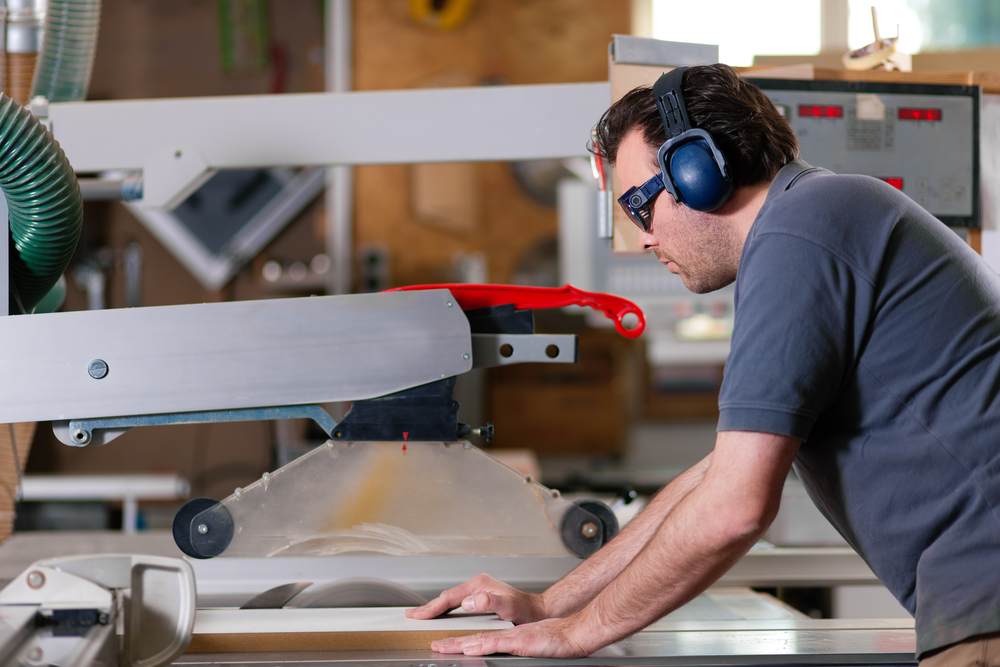
- Earmuffs: Earmuffs cover the entire ear and are ideal for environments with fluctuating noise levels, as they’re easy to put on and take off. However, they may feel heavy or warm during extended use.
The best choice of protection is guided by your personal preferences and the specific requirements of your surroundings. By way of illustration, a construction worker might select earmuffs for their convenience, while someone working in a factory may prefer earplugs for continuous use.
Maintaining uninterrupted use of protection
To ensure maximum efficacy, you must select the hearing protection you will wear all the time. Interrupting the use, even for a brief time, could cause long-term consequences for your hearing. Therefore, it is necessary to discover a product that offers the right balance of protection, comfort, and convenience.
Safeguard your hearing for the long term
We are constantly surrounded by noise, yet choosing the appropriate protective device guarantees your ears are safeguarded, allowing you to keep enjoying your acoustic surroundings.
Speak with us today to review your risk of noise-induced hearing loss and learn how to best maintain your hearing health.