
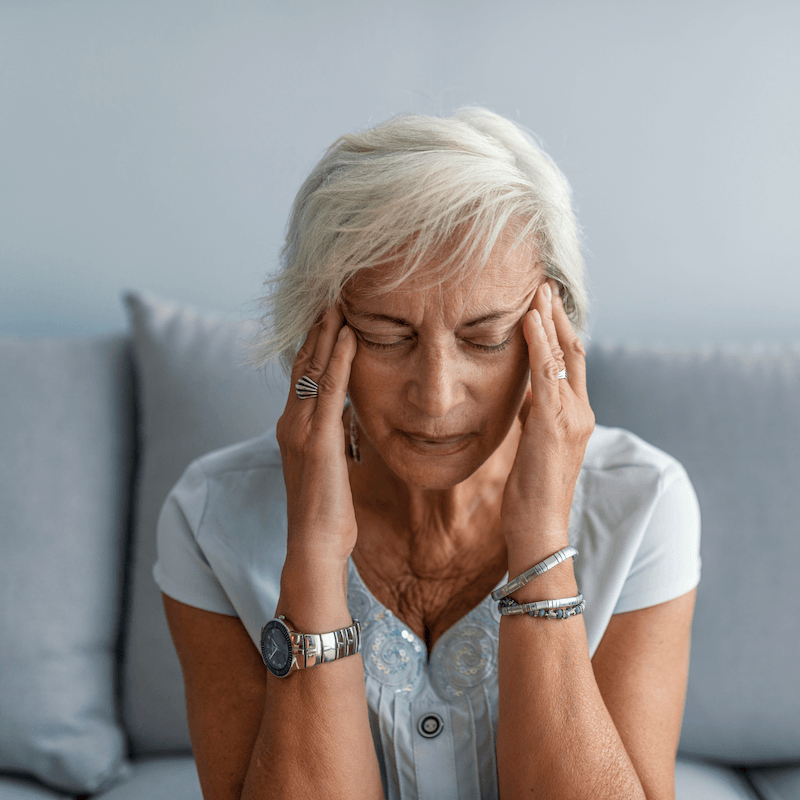
Not all migraine episodes involve throbbing head pain, as a vestibular migraine primarily compromises balance, motion sensitivity, and spatial stability. Our clinical team conducts comprehensive evaluations for chronic dizziness to establish whether vestibular migraine or another balance condition is present. To find the right migraine treatment, it’s important to recognize the symptoms and communicate them to your doctor.
Vestibular vs. Classical Migraine: Key Differences
Typical migraine attacks and vestibular migraines share the same neurovascular pathology, but their primary presenting symptoms differ. Conventional migraine episodes standardly present with moderate to severe pulsating head pain that affects one side and worsens with activity. Concurrent symptoms routinely include autonomic nausea, photophobia, phonophobia, and transient focal neurological aura.
A vestibular migraine primarily manifests as true vertigo, disequilibrium, balance dysfunction, and severe motion sensitivity. Concomitant headache may happen, but cephalalgia is not universally present across all vestibular flare-ups. Clinical episodes frequently provoke an illusion of environmental rotation, motion-provoked unsteadiness, and visual distress in high-stimulus settings.
Characteristic vestibular migraine attacks generally endure for durations ranging from five minutes to 72 continuous hours. Symptoms often vary in nature and intensity between separate attacks, obscuring the relationship to migraine compared to straightforward headaches.
Underlying Causes and Triggers of Vestibular Migraines
No single disorder is known to cause vestibular migraine. The disorder likely develops from overlapping neurochemical pathways handling both trigeminal pain and inner ear balance signals. Having a personal or family background of migraine disease, along with chronic motion sensitivity, increases patient risk.
Typical episode triggers encompass the following:
- Irregular resting routines and inadequate nightly sleep
- Skipped meals or dehydration
- Mental or physical stress, as well as rapid decompression after stressful events
- Menstrual cycle fluctuations or other physiological endocrine changes
- Exposure to bright lights, strobe effects, or visually intricate environments
- Strenuous physical motion, extended travel, and rapid visual screen scrolling
- Alcohol or individually identified food triggers
- Ambient weather shifts, storm fronts, or crowded environments causing sensory overload
Symptom Profiles: How Vestibular and Regular Migraines Present
Classical migraine attacks are readily identified by head pain, but neurological symptoms often extend well beyond local cephalalgia. Associated symptoms can include gastrointestinal distress, vomiting, visual aura, systemic exhaustion, brain fog, neck pain, and hyperacusis or photophobia.
The clinical presentation of vestibular migraine may feature:
- Sensations of rotational spinning or non-spinning spatial disorientation
- Persistent postural unsteadiness, gait instability, or loss of balance
- Dizziness triggered or aggravated by rapid head turns or tilting
- Gastrointestinal nausea provoked by physical movement or riding in vehicles
- Intolerance to optic flow, including digital screens, moving highway traffic, crowded venues, or striped patterns
- Subjective sensations of standing on a rolling boat deck, floating, vertical tilting, or lateral pulling
- Heightened photophobia, phonophobia, or generalized visual sensitivity
- Diffuse head pressure, orbital tension, or characteristic throbbing migraine pain
- Temporary ear pressure, fullness, or ringing
Identifying the specific temporal pattern, duration, and triggers helps clinicians distinguish vestibular migraine from other balance conditions. Sudden dizziness combined with focal weakness, localized numbness, slurred speech, double vision, loss of consciousness, or gait failure necessitates emergency care.
The Coexistence of Vestibular Migraine and Typical Migraine Episodes
Absolutely. True rotational vertigo and classic migraine head pain can develop within the identical clinical attack. The vestibular symptoms can start ahead of the head pain, surface during the headache phase, outlast the cephalalgia, or arise independently. It is common for individuals to alternate between attacks centered on severe headaches and episodes dominated by vestibular imbalance over several years.
An episode of vertigo does not have to feature head pain to be classified within the migraine spectrum. Keeping a symptom diary can reveal connections that are difficult to remember later. Track the exact duration of dizzy spells, headache traits, light and sound sensitivities, menstrual dates, sleep patterns, meals, suspected triggers, and pharmaceutical outcomes. This information can make an evaluation more precise.
Diagnostic Workup and Clinical Criteria for Vestibular Migraines
Diagnosing vestibular migraine cannot be accomplished via a single diagnostic blood test, radiologic scan, or balance assessment. The diagnostic pathway commences with an in-depth clinical interview regarding attack presentations and personal migraine history. Current neurological criteria require a minimum of five moderate or severe vestibular episodes lasting five minutes to 72 hours, with migraine features documented in at least 50% of cases.
Our clinical assessment routinely incorporates a complete neurological workup, oculomotor eye-movement testing, otoscopy, audiological evaluation, and vestibular testing. Diagnostic recommendations may involve a comprehensive audiogram, positional balance testing, advanced vestibular assessments, or magnetic resonance imaging. These objective studies serve to detect or systematically exclude competing disorders that provoke identical dizzy spells. A formal diagnosis of vestibular migraine is established only when clinical criteria are satisfied and no alternative condition provides a better explanation.
Treatment Strategies: Managing Vestibular Migraines Effectively
Managing vestibular migraine demands an individualized treatment plan that reflects attack regularity, symptom intensity, headache presence, systemic health, and pharmaceutical risks. A large majority of patients achieve optimal disease control by pairing daily preventive therapies with targeted acute abortive strategies.
We partner with you to construct a targeted management plan that may involve:
- Implementing disciplined daily habits including consistent sleep schedules, regular nutrition, hydration, and exercise
- Identifying and mitigating specific individual dietary, visual, or physiological triggers
- Utilizing structured stress-mitigation techniques, mindfulness programs, or behavioral therapies
- Medication for nausea or other acute symptoms
- Limited use of vestibular suppressants during severe attacks
- Daily preventive medications such as beta-blockers, calcium channel blockers, topiramate, specific antidepressants, or novel migraine drugs
- Targeted vestibular physical therapy to retrain the central balance system and reduce chronic motion sensitivity
These medications are reserved for acute use only, as chronic ingestion triggers drowsiness and suppresses natural vestibular compensation within the brain. You should always finalize medication decisions with your prescribing clinician instead of adopting treatment plans prescribed to others. Meaningful symptom relief often necessitates gradual medication titration while systematically recording changes in your symptom log.
Schedule a Vestibular Migraine Evaluation
If chronic vertigo, motion intolerance, or balance instability is impacting your quality of life, arrange an evaluation with our ENT practice. Your appointment involves analyzing your migraine history, medical background, and lifestyle goals, followed by clinical testing to separate vestibular migraine from conditions like BPPV or Ménière’s disease. Contact our ENT clinic today to schedule your vestibular migraine appointment.