
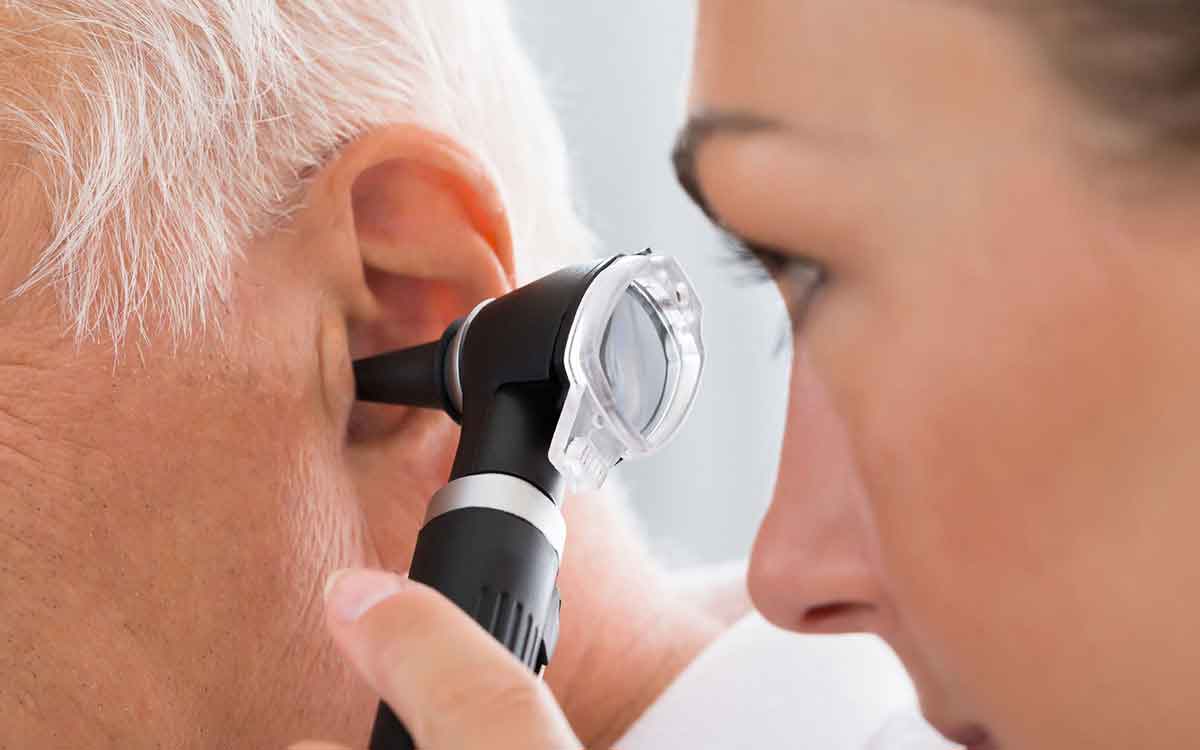
Because hearing loss typically advances slowly, early signs frequently go unnoticed by the individual. Subconscious adjustments, such as turning up the television or asking for clarification, often mask the early progression of hearing loss.
But identifying the early signs of hearing loss is essential.
Primary Signs of Developing Hearing Impairment
Should you encounter any of these indicators, consider scheduling a professional hearing assessment to determine your status.
- Difficulty understanding conversations, particularly in noisy environments with a lot of activity.
- Frequently requesting others to repeat themselves.
- Hearing indistinct vocal communication where words appear to merge.
- Setting higher volume levels for electronic devices beyond the comfort of family members.
- Trouble hearing higher-pitched sounds, including children’s voices, birds, or doorbells.
- Auditory sensations such as ringing, buzzing, or humming, clinically termed tinnitus.
- Feeling mentally exhausted after conversations, due to the strain of auditory processing.
- Retreating from group interactions as conversational tracking becomes difficult.
These early signs of hearing loss may impact either ear and can be intermittent at first. Because the brain adapts quickly, many people don’t realize how much they’re compensating until hearing loss becomes more noticeable.
Statistical Overview of Global Auditory Health
According to the World Health Organization, more than 700 million people will require hearing rehabilitation by 2050. Other noteworthy statistics consist of:
- By 2050, approximately 2.5 billion people are expected to experience various levels of hearing loss.
- More than five percent of the global community (roughly 430 million people) requires clinical support to manage disabling hearing loss.
- More than 1 billion younger individuals are at risk of permanent hearing loss caused by hazardous acoustic habits.
- Among those aged 60 and older, over 25% have clinically significant hearing loss.
Why Early Detection is Key
Untreated hearing loss may influence your overall health in ways that are often underestimated.
Studies have identified a link between untreated hearing loss and an increased likelihood of cognitive decline and diminished balance.
Early intervention offers better long-term prognosis and greater treatment flexibility.
A hearing evaluation can determine whether changes are due to age-related hearing loss, acoustic trauma, earwax buildup, infection, or another medical condition.
In some cases, hearing changes are temporary and treatable.
Alternatively, timely adoption of hearing devices or protective strategies may mitigate further decline.
Recognizing the Need for Audiology Services
An audiological visit is recommended if you observe:
- Auditory indicators persist for more than a few weeks.
- Auditory challenges impact work, relationships, or daily activities.
- Instances of acute hearing loss, vertigo, or chronic tinnitus require prompt evaluation.
Hearing tests are painless and noninvasive, plus they provide critical data into your auditory wellness.
We invite you to contact our facility if you feel a hearing assessment would be advantageous.
Auditory Health FAQ: Initial Symptoms
Question: Is aging the sole cause of hearing impairment?
A: No, while aging is a factor, hearing loss can be precipitated by acoustic trauma, infection, or systemic health issues.
Question: Is it possible to restore lost hearing?
Answer: Certain etiologies, such as earwax impaction or localized infection, are treatable. However, permanent types of hearing loss are often successfully managed with hearing aid technology or therapeutic strategies.
Question: What is the recommended frequency for hearing screenings?
Answer: It is recommended that adults obtain a baseline assessment by age 50, with earlier testing for those with specific risk factors.