
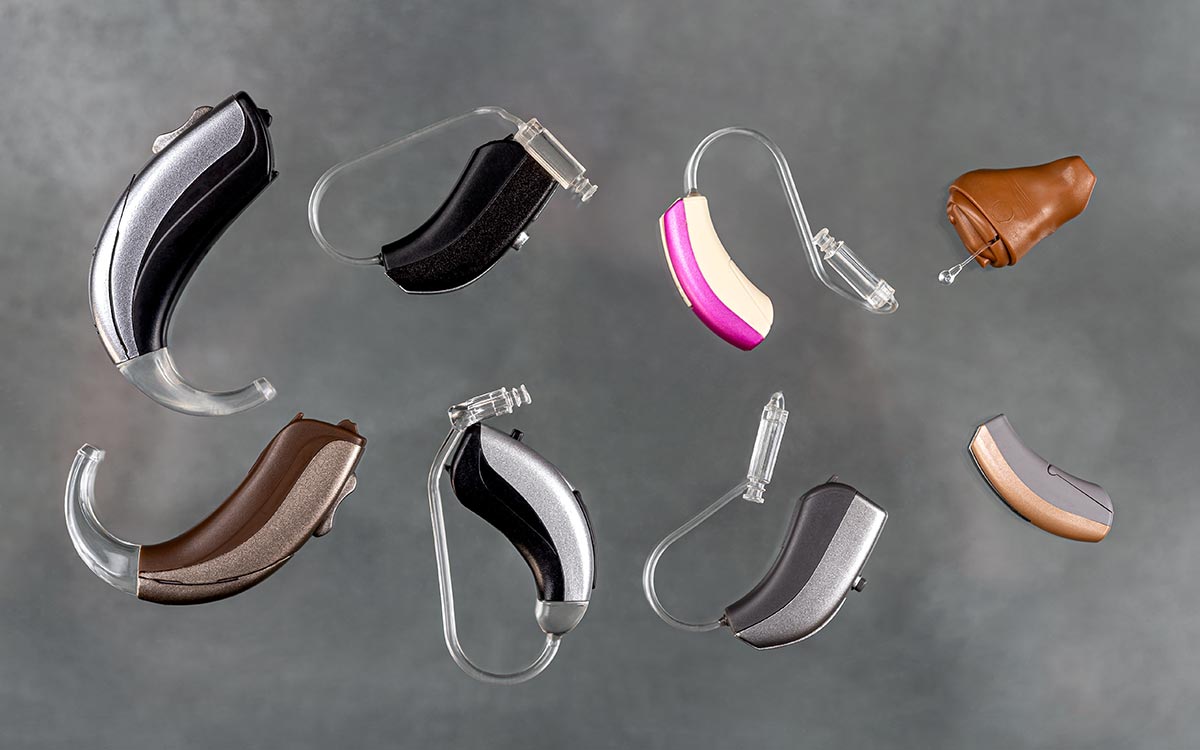
With so many options in terms of dimensions, style, and technology, the process of picking a hearing aid can feel quite intense. However, a specialized hearing solution exists for every person’s singular needs and daily habits. Success rests in locating the specific aid that meets your personal preferences.
Feeling confident about your choice starts with understanding how different hearing aids for hearing loss or tinnitus function and compare. This guide examines the most popular styles and highlights the specific advantages each one offers.
ITC (In-the-Canal) Hearing Systems
What they are:
A custom device is engineered to rest partially within the ear canal while showing just an inconspicuous section in the outer ear area.
Why users choose them:
- Provides a subtle appearance compared to traditional styles
- Individualized shaping guarantees long-term wearing comfort
- Works effectively for people experiencing mild hearing challenges
ITC devices offer a good equilibrium between visibility and functionality, making them an ideal choice for first-time users.
IIC (Invisible-in-Canal) Engineering
How they work:
IIC models are the most tiny custom-fitted hearing solutions you can choose. This style rests deep in the ear for a completely covert appearance.
Why they are favored:
- Highest degree of discretion for the wearer
- Microphone depth helps mimic the ear’s natural sound collection
- So light and small that users frequently don’t notice they are wearing them
IIC devices are mainly targeted at those with moderate hearing needs who want their technology to remain completely unnoticed.
Understanding In-the-Ear (ITE) Devices
What they are:
These models fill either the full or bottom half of the outer ear bowl. Every unit is specifically customized to match your ear’s unique shape.
Why people select them:
- The larger size makes it feasible to include more internal components and longer-lasting batteries
- Provides an easier experience for those who struggle with tiny accessories
- Effective for a wide spectrum of hearing impairments, ranging from mild to severe
The all-in-one style of the ITE style makes it a favorite for those who dislike behind-the-ear equipment.
BTE (Behind-the-Ear) Basics
Technical Detail:
An external hearing aid is worn externally behind the ear for a stable fit. Sound travels into the ear canal through a small tube or custom earmold.
Why users choose them:
- Regarded as one of the most dependable and sturdy designs available
- Provides an extensive range of amplification suitable for nearly any user
- Large enough to house sophisticated software and modern rechargeable technology
For those who prioritize a reliable device that is easy to manage and provides plenty of volume, BTE is an excellent choice.
Receiver-in-Canal (RIC) Hearing Aids
Design Specs:
While they resemble BTE units, RIC aids place the speaker directly in the canal for better sound delivery.
Why people choose them:
- Highly organic sound quality
- Small, feather-light, and comfortable
- RIC technology is highly versatile for many different audiogram profiles.
RIC units are extremely popular currently because they balance appearance with powerful functionality.
Extended-Wear Device Details
Introduction:
These devices are placed far in the ear canal by a hearing professional and can stay in place for several weeks at a time.
User Incentives:
- Perfect for wearers who want to bypass the routine of handling hearing aids daily
- They are virtually hard for others to notice because of their depth
- Built to withstand the rigors of sleep, exercise, and showering without being removed
These models are the best choice for an effortless, seamless hearing experience.
Smart Hearing Aids with Wireless
Tech Specs:
Connectivity-focused hearing aids that use Bluetooth to integrate with your digital life.
Digital Advantages:
- Send calls, music, and audio straight to the hearing aids
- Allows for quick, subtle adjustments to your hearing aids through digital software
- Perfectly suited for the requirements of a tech-savvy, connected individual
This wireless technology is located in most modern behind-the-ear and in-the-canal models.
Alternative Implantable Options
Procedure Information:
This technology involves an operative procedure to place a device that mechanically stimulates the bones of the middle ear.
Who they are for:
- Option for those who cannot use traditional hearing aids
- Great for users who experience chronic irritation from standard molds
An exhaustive consultation with a specialist professional is necessary before considering a middle-ear implant.
Selecting Your Ideal Auditory Option
Since each hearing aid design has distinct assets, the best choice is based on your specific hearing needs, your daily activities, and your aesthetic goals. By consulting a specialist, you can investigate various models and see which one feels most natural to you.
If you’re prepared to explore the possibilities, schedule an auditory evaluation today. It is the most important move you can make toward an increasingly vibrant and confident life.
Sources:
https://www.mayoclinic.org/diseases-conditions/hearing-loss/in-depth/hearing-aids/art-
20044116
https://www.hearinglife.com/hearing-aids/types
https://www.nidcd.nih.gov/health/hearing-aids