
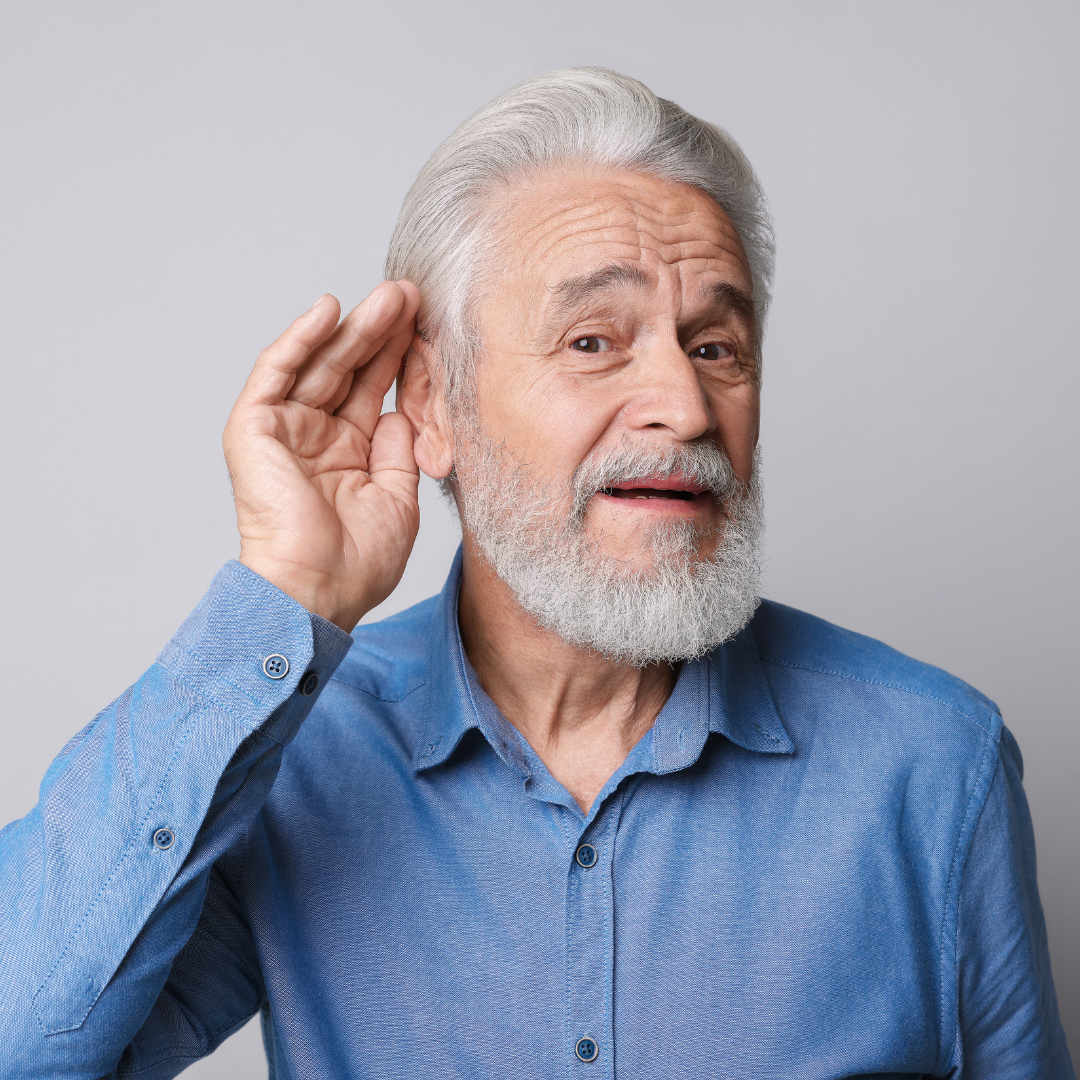
Noticing an immediate hearing loss on one side can be unsettling, leaving affected individuals wondering how to proceed. Our clinical team conducts same-day diagnostic hearing evaluations and streamlines collaborative medical care following sudden auditory changes. An acute sudden hearing loss consistently necessitates immediate examination by a hearing professional to begin medical therapy or targeted hearing rehabilitation.
Why Acute Single-Sided Hearing Loss Demands Emergency Care
Yes, unequivocally. Sudden hearing loss in one ear should be treated as a medical emergency, particularly when it develops within hours or over a few days. Often designated as sudden deafness, sudden sensorineural hearing loss reflects damage to the inner ear cochlea or the acoustic nerve. The condition typically develops painlessly, leading many patients to confuse it with sinus congestion, fluid, or a plugged ear canal.
Possible signs include:
- A sharp, noticeable drop in auditory volume or speech clarity in one ear
- Struggling to decipher telephone conversation when holding the receiver to the affected ear
- An acoustic pop or distinct feeling of canal fullness heralding the auditory change
- The sudden development of unilateral tinnitus, including buzzing, hissing, or roaring sounds
- Onset of rotational vertigo, postural instability, or general disequilibrium
Never postpone clinical evaluation while waiting to see if hearing improves on its own. Connect with our clinical team, a local urgent care center, or an ENT specialist for urgent, same-day assessment.
The Urgency of Immediate Professional Evaluation for Sudden Deafness
Immediate audiological evaluation is vital because clinical therapies for sudden sensorineural hearing loss deliver the greatest recovery potential when deployed without delay. We must immediately determine if the loss is conductive—stemming from earwax blockage or middle-ear pathology—or sensorineural, signifying inner ear or neural involvement. Both conditions produce overlapping sensations of aural fullness and hearing loss, but their clinical interventions are entirely divergent.
Otoscopic examination and full-battery diagnostic hearing testing determine the specific classification, audiogram pattern, and severity of the hearing loss.
Obtain urgent emergency medical evaluation without delay if sudden hearing loss is accompanied by:
- Acute facial asymmetry, motor weakness, or cranial nerve numbness
- Dysarthria (slurred speech), acute cognitive confusion, or an atypical, severe headache
- Acute visual disturbances, fainting spells, or marked ambulatory unsteadiness
- Chest pain or other signs of a medical crisis
Such clinical signs strongly suggest an acute stroke, neurological event, or vascular emergency that must bypass routine clinical scheduling.
Pathophysiological Causes of Sudden Sensorineural Hearing Loss
Clinically, most instances of sudden sensorineural hearing loss are classified as idiopathic, meaning the root cause cannot be established. In cases where an etiology is successfully uncovered, it frequently involves localized inflammation, physical trauma, microvascular compromise, autoimmune pathology, or auditory nerve disorders.
Potential causes include:
- Systemic or localized viral and bacterial infections
- Traumatic brain injury, temporal bone fracture, or acute acoustic trauma
- Autoimmune inner ear disease or systemic inflammatory disorders
- Administration of potentially ototoxic pharmaceutical agents
- Acute circulatory compromise or cochlear microvascular infarction
- Structural inner ear diseases, notably symptomatic Ménière’s disease
- Central neurological pathologies including multiple sclerosis
- A benign tumor, such as a vestibular schwannoma, compressing the vestibulocochlear nerve
Because one cannot differentiate these complex etiologies based on symptoms alone, prompt diagnostic assessment and audiologic testing are critical.
How Can Sudden Sensorineural Hearing Loss Be Treated?
Corticosteroids are widely prescribed as the cornerstone medical treatment for idiopathic sudden sensorineural hearing loss. Steroid medications can be administered as an oral taper or delivered via intratympanic injection through the eardrum directly into the middle ear space to diffuse into the cochlea. Therapeutic recommendations are established by our clinical providers, incorporating symptom onset timeframes, audiometric thresholds, underlying systemic health, and adverse effect profiles.
Medical evidence supports initiating steroid treatment within the first two weeks, underscoring the necessity of immediate clinical intervention. When initial recovery is insufficient, physicians frequently recommend intratympanic steroid injections as a targeted salvage intervention. For qualifying clinical cases, an ENT physician may evaluate hyperbaric oxygen therapy (HBOT) administered concurrently with high-dose steroids.
The Reality of Spontaneous Recovery in Sudden Hearing Loss
A sudden sensorineural hearing loss may occasionally resolve on its own without pharmacological treatment. Literature indicates that approximately 50 percent of patients recover some or all hearing spontaneously, frequently within the first one to two weeks. Still, there is no clinical way to predict at symptom onset who will experience spontaneous recovery, how much hearing will be regained, or whether stability will persist.
The possibility that hearing might return spontaneously is never an acceptable reason to delay emergency treatment. The efficacy of medical therapy in reversing permanent sensorineural loss drops dramatically when initiated weeks later, meaning hesitation can permanently close the therapeutic window. Auditory outcomes differ substantially among patients, ranging from full recovery to partial or minimal improvement.
Long-Term Solutions When Sudden Hearing Loss Does Not Recover
Should hearing recovery remain incomplete, ongoing care is dictated by remaining hearing capacity, speech understanding scores, and definitive exclusion of secondary causes. Diagnostic protocols may involve scheduling a cranial MRI scan or performing an auditory brainstem response test to inspect the auditory nerve and brainstem pathways.
Longer-term options may include:
- A traditional hearing aid when the ear retains usable hearing
- A wireless CROS system that captures incoming sound on the impaired side and transfers it to the better-hearing ear
- An implantable bone-conduction hearing processor for patients satisfying audiological criteria
- A surgically placed cochlear implant for eligible individuals experiencing profound single-sided deafness
- Tailored assistive listening systems to improve communication across work, academic, or social settings
Audiologic rehabilitation can also address listening fatigue, sound localization, and communication difficulties. The appropriate auditory solution depends entirely on objective hearing test outcomes, lifestyle requirements, systemic health, and patient preferences.
Schedule an Urgent Hearing Evaluation
If you experienced a sudden drop in hearing today or within recent days, seek same-day clinical intervention instead of waiting for a standard checkup. Our clinical team will administer diagnostic hearing tests, analyze interaural differences, evaluate symptom onset chronology, and coordinate with an otolaryngologist or medical team immediately.
Connect with our clinical office right away to arrange an urgent hearing assessment.